Yellowstone River Oil Spill (July 2011)
NRDP
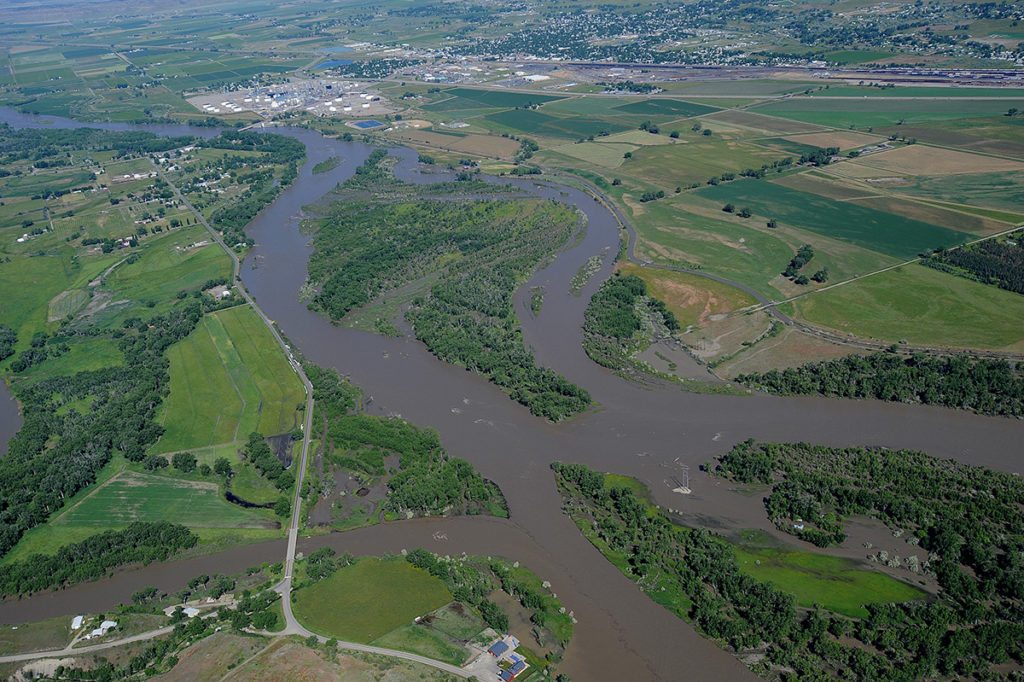
On July 1, 2011, a 12-inch diameter pipeline (Silvertip Pipeline) owned by ExxonMobil Pipeline Company ruptured near Laurel, Montana, resulting in the discharge of crude oil into the Yellowstone River and surrounding floodplain. It is estimated, approximately 63,000 gallons (about 1,500 barrels) of oil was discharged. The discharge occurred during a high-flow event, affecting approximately 85 river miles and associated floodplain. Oil from the spill, along with the cleanup activities, harmed natural resources including fish and other aquatic organisms, birds (including migratory birds), wildlife, large woody debris piles, aquatic habitat, terrestrial habitat, recreational use, and the services provided by these natural resources. These public natural resources are under the Trusteeship of the State of Montana and the U.S. Department of the Interior under the Oil Pollution Act and other laws.
The Oil Pollution Act
The primary goal of the Oil Pollution Act is to make the environment and public whole for injuries to natural resources and services resulting from a discharge of oil or other hazardous substances to the environment.
Settlement of Natural Resource Damage Claims
The State of Montana and the United States entered into a $12 million natural resource damage settlement with Exxonmobil, which was approved by the Court in December 2016. The State of Montana will be implementing almost $9.5 million in restoration projects on the Yellowstone River over the next few years.
Approval of the Yellowstone River 2011 Oil Spill Restoration Plan
In January 2017, the State of Montana and U.S. Department of the Interior issued the “Final Programmatic Damage Assessment and Restoration Plan and Final Programmatic Environmental Assessment for the Exxonmobil Pipeline Company July 1, 2011 Yellowstone River Oil Spill”. The plan was prepared by the State of Montana through the Department of Justice Natural Resource Damage Program and the U.S. Department of the Interior, through the Bureau of Land Management and U.S. Fish and Wildlife Service. The plan describes the natural resource injuries caused by the oil spill and restoration project types to compensate for those injuries.
“The restoration plan includes a range of project types that address specific injuries associated with the oil spill, and in total will make the environment and public whole,” Alicia Stickney, Natural Resource Damage Program Project Manager. “The plan will guide restoration of the Yellowstone River to improve natural and recreational resources of the river injured due to the spill.”
Yellowstone River Recreation Project Plan
To assist with the development of recreation projects, the State formed a locally-based ad-hoc Recreation Project Advisory Committee to prepare a draft Recreation Project Plan for how approximately $2.3 million will be spent on recreation projects on the Yellowstone River impacted by the spill. The Recreation Project Advisory Committee solicited projects and input from the community.
The Final Recreation Project Priority Plan is available here: Final Yellowstone River Recreation Project Priority Plan
Natural Resource Damage Assessment and Restoration
In the restoration plan, the Trustees have presented their evaluation of injuries to the natural resources, restoration alternatives, and projects that benefit the same or similar resources injured by the oil spill.
Injured Resources and Restoration Alternatives
Oil from the spill, along with spill response and cleanup activities, harmed fish, wildlife and their habitats and other natural resources in and around the Yellowstone River. The spill also impacted the recreational use of the river and public sites along the river.
Injuries included:
- Terrestrial/riparian habitat and supported biota, through exposure to oil and disturbance caused by response activities.
- Large woody debris piles Injuries through exposure to oil and disturbance by response activities. Riverine aquatic habitat and supported biota, including fish injuries, caused by exposure to oil.
- Birds, through exposure to oil and disturbance by response activities, specifically injuries to cavity-nesting birds and American white pelican.
- Human service losses, including recreational angling and park use.
- The Trustees evaluated a range of restoration alternatives that would provide resource services to compensate the public for losses pending natural recovery of resources injured by the oil spill. The Trustees have identified preferred restoration alternatives designed to address the resource injuries. The Trustees plan to work with project partners such as local, state, and federal agencies and nonprofit organizations and landowners to implement the projects.
Project types include:
- Acquiring terrestrial/riparian bottomland to conserve and restore terrestrial habitat with some acquisitions focusing on habitat requirements for injured birds
- Acquiring and restoring terrestrial/riparian habitat
- Controlling invasive woody species on state and federal lands
- Acquiring channel migration or other easements or fee title land acquisitions to provide areas for large woody debris recruitment
- Removing flanked riprap from the river
- Removing side channel blockages
- Providing fish passage around fish barriers
- Restoring and stabilizing riverbanks using soft bank restoration techniques
- Increasing American white pelican production through improvement of breeding and nesting areas
- Improving city parks and public lands bordering the Yellowstone River
- Improving urban fishing opportunities adjacent to the Yellowstone River
- Developing new and preserving existing public access on the Yellowstone River
In 2026, all recreation projects funded were completed and remaining funds were allocated to the Riverside Park in Laurel and Montana Fish, Wildlife and Parks for fish access site development.
NRDP is also working on two aquatic and large woody debris restoration projects. The Orchard Channel project will eliminate fish passage on the Clarks Fork of the Yellowstone and open up approximately 60 miles of river. Working with the Yellowstone River Parks Association, NRDP is working on the Dover Island property to increase side channel connection and remove rip rap from the river, improving aquatic and riparian habitat while increasing recruitment of large woody debris.
-
- Yellowstone Project Inventory & Ranking 01.11.18
- Final Programmatic Damage Assessment and Restoration Plan and Draft Programmatic Environmental Assessment for the ExxonMobil Pipeline Company July 1, 2011 Yellowstone River Oil Spill
- Response to Public Comments on Draft Programmatic Damage Assessment and Restoration Plan and Draft Programmatic Environmental Assessment for the ExxonMobil Pipeline Company July 1, 2011 Yellowstone River Oil Spill
The Oil Pollution Act
The primary goal of the Oil Pollution Act is to make the environment and public whole for injuries to natural resources and services resulting from a discharge of oil or other hazardous substances to the environment.
Settlement of Natural Resource Damage Claims
The State of Montana and the United States entered into a $12 million natural resource damage settlement with Exxonmobil, which was approved by the Court in December 2016. The State of Montana will be implementing almost $9.5 million in restoration projects on the Yellowstone River over the next few years.
Approval of the Yellowstone River 2011 Oil Spill Restoration Plan
In January 2017, the State of Montana and U.S. Department of the Interior issued the “Final Programmatic Damage Assessment and Restoration Plan and Final Programmatic Environmental Assessment for the Exxonmobil Pipeline Company July 1, 2011 Yellowstone River Oil Spill”. The plan was prepared by the State of Montana through the Department of Justice Natural Resource Damage Program and the U.S. Department of the Interior, through the Bureau of Land Management and U.S. Fish and Wildlife Service. The plan describes the natural resource injuries caused by the oil spill and restoration project types to compensate for those injuries.
“The restoration plan includes a range of project types that address specific injuries associated with the oil spill, and in total will make the environment and public whole,” Alicia Stickney, Natural Resource Damage Program Project Manager. “The plan will guide restoration of the Yellowstone River to improve natural and recreational resources of the river injured due to the spill.”
Yellowstone River Recreation Project Plan
To assist with the development of recreation projects, the State formed a locally-based ad-hoc Recreation Project Advisory Committee to prepare a draft Recreation Project Plan for how approximately $2.3 million will be spent on recreation projects on the Yellowstone River impacted by the spill. The Recreation Project Advisory Committee solicited projects and input from the community.
The Final Recreation Project Priority Plan is available here: Final Yellowstone River Recreation Project Priority Pl
Natural Resource Damage Assessment and Restoration
In the restoration plan, the Trustees have presented their evaluation of injuries to the natural resources, restoration alternatives, and projects that benefit the same or similar resources injured by the oil spill.
Injured Resources and Restoration Alternatives
Oil from the spill, along with spill response and cleanup activities, harmed fish, wildlife and their habitats and other natural resources in and around the Yellowstone River. The spill also impacted the recreational use of the river and public sites along the river.
Injuries included:
- Terrestrial/riparian habitat and supported biota, through exposure to oil and disturbance caused by response activities.
- Large woody debris piles Injuries through exposure to oil and disturbance by response activities. Riverine aquatic habitat and supported biota, including fish injuries, caused by exposure to oil.
- Birds, through exposure to oil and disturbance by response activities, specifically injuries to cavity-nesting birds and American white pelican.
- Human service losses, including recreational angling and park use.
-
The Trustees evaluated a range of restoration alternatives that would provide resource services to compensate the public for losses pending natural recovery of resources injured by the oil spill. The Trustees have identified preferred restoration alternatives designed to address the resource injuries. The Trustees plan to work with project partners such as local, state, and federal agencies and nonprofit organizations and landowners to implement the projects.
Project types include:
- Acquiring terrestrial/riparian bottomland to conserve and restore terrestrial habitat with some acquisitions focusing on habitat requirements for injured birds
- Acquiring and restoring terrestrial/riparian habitat
- Controlling invasive woody species on state and federal lands
- Acquiring channel migration or other easements or fee title land acquisitions to provide areas for large woody debris recruitment
- Removing flanked riprap from the river
- Removing side channel blockages
- Providing fish passage around fish barriers
- Restoring and stabilizing riverbanks using soft bank restoration techniques
- Increasing American white pelican production through improvement of breeding and nesting areas
- Improving city parks and public lands bordering the Yellowstone River
- Improving urban fishing opportunities adjacent to the Yellowstone River
- Developing new and preserving existing public access on the Yellowstone River
In 2026, all recreation projects funded were completed and remaining funds were allocated to the Riverside Park in Laurel and Montana Fish, Wildlife and Parks for fish access site development.
NRDP is also working on two aquatic and large woody debris restoration projects. The Orchard Channel project will eliminate fish passage on the Clarks Fork of the Yellowstone and open up approximately 60 miles of river. Working with the Yellowstone River Parks Association, NRDP is working on the Dover Island property to increase side channel connection and remove rip rap from the river, improving aquatic and riparian habitat while increasing recruitment of large woody debris.
-
- Yellowstone Project Inventory & Ranking 01.11.18
- Final Programmatic Damage Assessment and Restoration Plan and Draft Programmatic Environmental Assessment for the ExxonMobil Pipeline Company July 1, 2011 Yellowstone River Oil Spill
- Response to Public Comments on Draft Programmatic Damage Assessment and Restoration Plan and Draft Programmatic Environmental Assessment for the ExxonMobil Pipeline Company July 1, 2011 Yellowstone River Oil Spill
Yellowstone River Oil Spill Site Images

Oil inundated floodplain on Yellowstone River- Note visible oil on water & vegetation at water’s edge. Photo credit: Larry Mayer
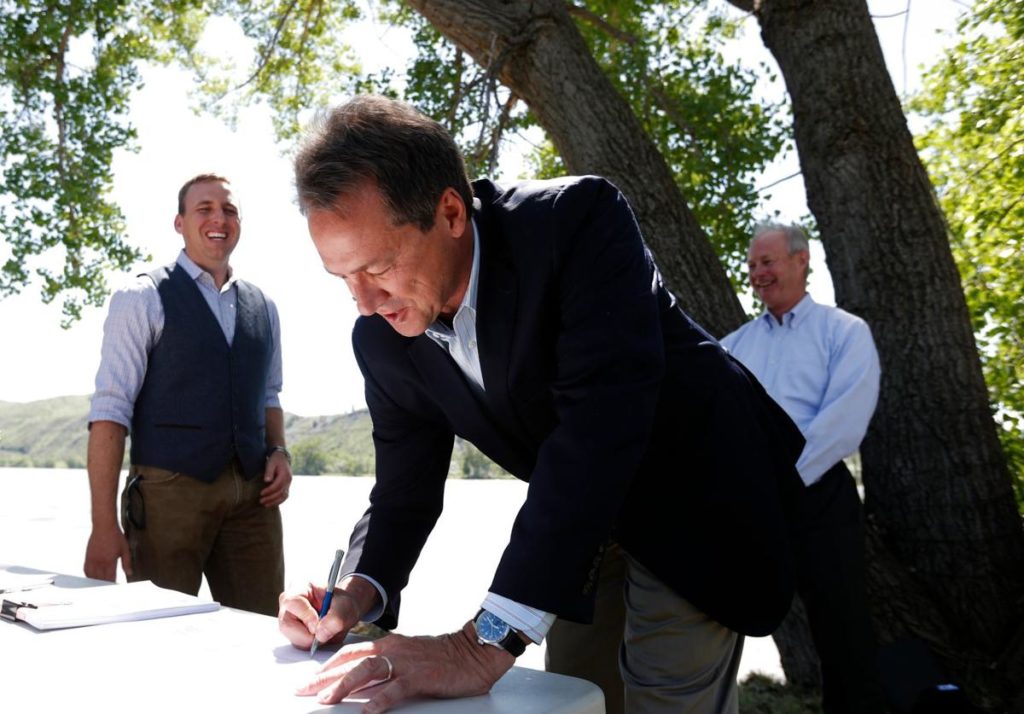
Governor Steve Bollock signs the Yellowstone River Recreation Plan on Wednesday, May 30, 2018. CASEY PAGE, Billings Gazette

External Lesion Caused by Oil on Redhorse Sucker Collected in Fall 2011 Down River from the Spill Site. Photo: Montana FWP